
Pyrolysis a way forward for nature and waste
Using pyrolysis for solving the waste problem of plastic and tyres. The result is a considerable saving of CO2 emissions and a contribution to the solution of our energy problems.
Feedstock
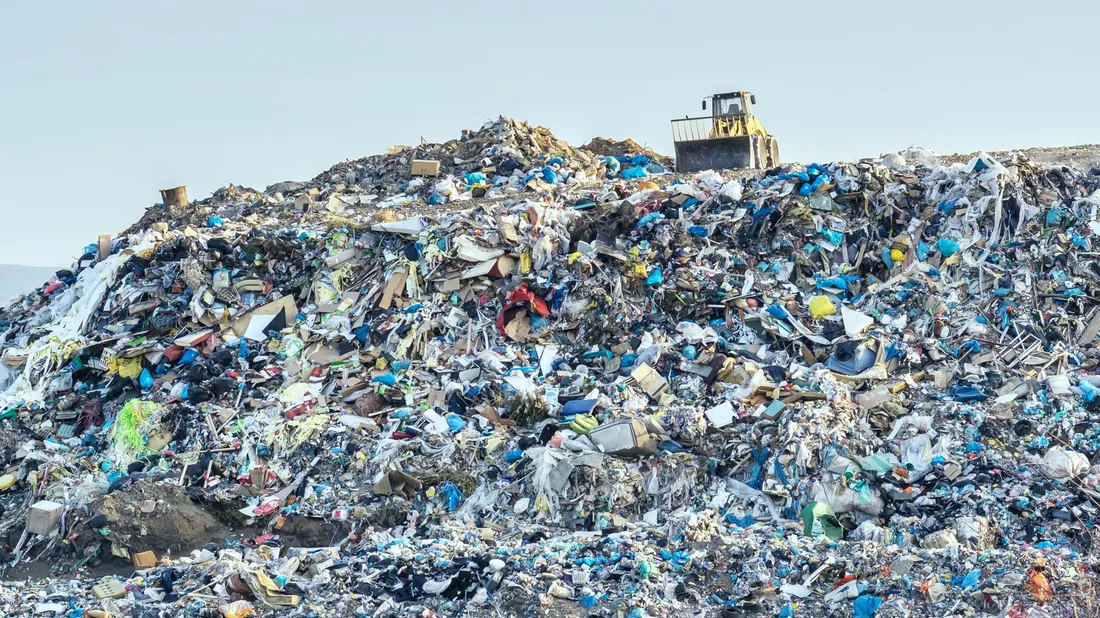
Organic materials, plastic waste and waste tyres represent the common feed stock used in the pyrolysis plant.
Products
End products of the pyrolysis process are typically oil and char.
The ratio of oil, syngas and char will depend on the feedstock.
Location
Due to the great bulk of materials, a pyrolysis plant needs to be at a good transport location. Proper connections with waterways and highway roads are a must.
Storage
The size of the storage facility will greatly depend on the distance of the pyrolysis plant related to the location of waste.
Also trade considerations mnwill influence the size of the storage.
Experience
Various projects have been started and one completed. Experience has been found in particular pyrolysis solutions.
The pyrolysis process of Geelhoed is based on current and up to date technology.
The process
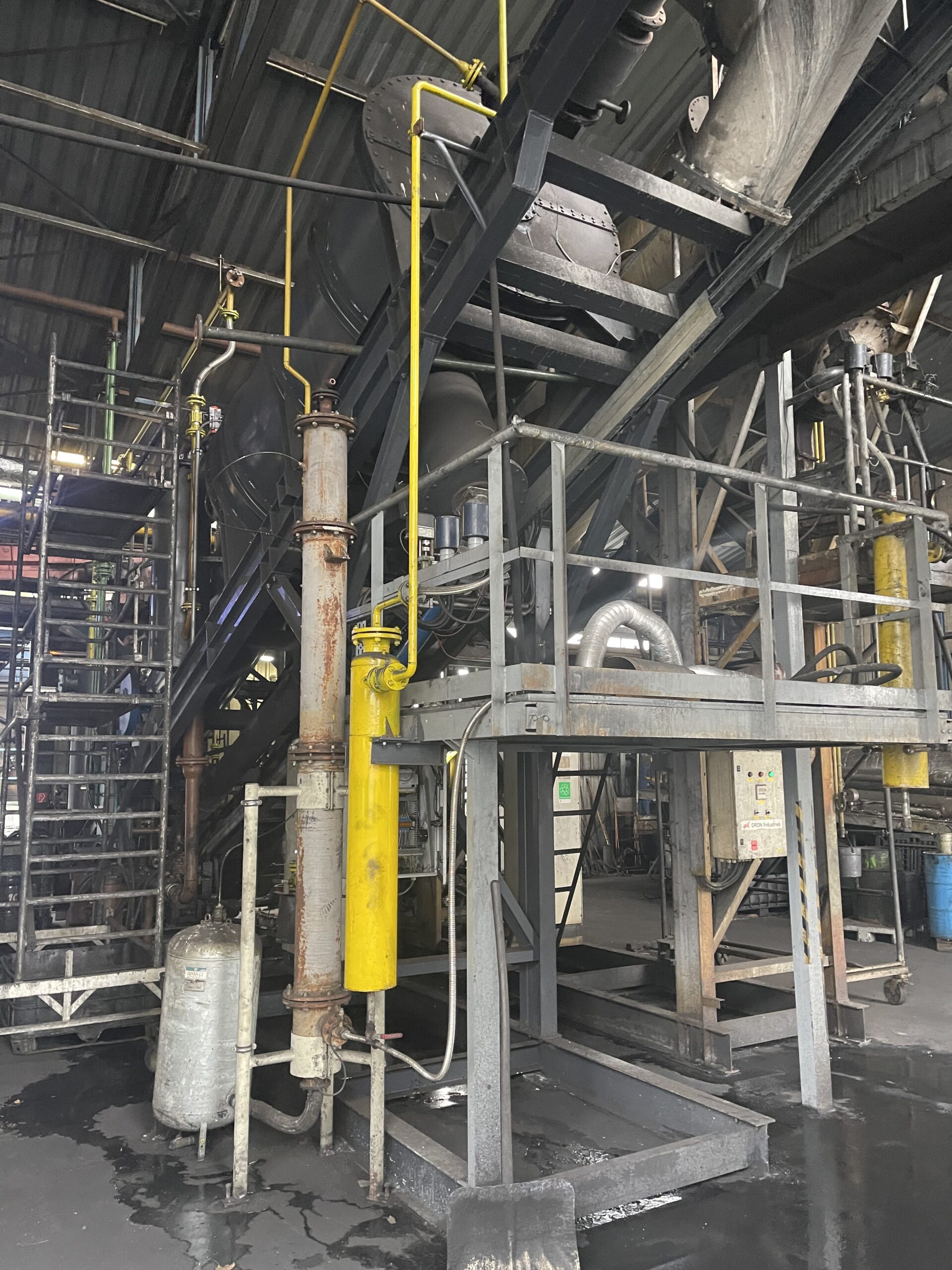
Pyrolysis is a process invented in the beginning of the 20th century. It is a proven technology which has been developed and improved over many years. The plastic waste or waste tyres will be heated to an approx. temperature of 500oC in the absence of oxygen, producing oil (gas being cooled down to oil), char and syngas. The process can be solely heated over electricity for a safer and more efficient process. The syngas produced will drive optional syngas/diesel engines to run the pyrolysis process.
Only for the start-up of the pyrolysis process external energy input is necessary. The process will produce its own energy.